
An induction hob the size of a mobile phone shaped like a sleek mini iron that sticks onto the side of a metal pan to heat up its contents.
That was the innovative idea that scooped the overall Electrolux Design Lab 2010 award at this year’s 100 % Design London.
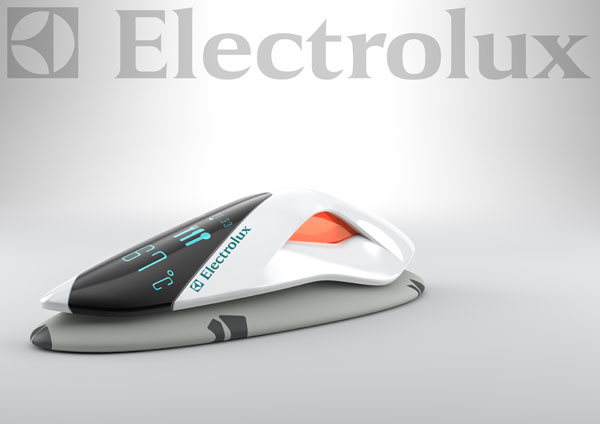
The Snail
Dubbed ‘The Snail’, the portable form of induction heating dreamed up by Peter Alwin from the National Institute of Design in India, is a dinky little device that’s a real space saver. This was a key consideration for the judges who highlighted that by 2050, the world’s population will reach nine billion, of which 74% will live in cities. The kitchen of the future is all about smaller flexible spaces, stressed the adjudication panel which included Henrik Otto, senior vice-president of global design at Electrolux.
Powered by a high density sugar crystal battery, ‘The Snail’ is no slouch in either functionality or design. It converts the energy from the sugar, heating up a coil to conduct the magnetic induction process to the utensil. Integrated sensors detect the food type being heated to automatically adjust the time and temperature. A touch sensitive display with interface helps monitor the process.
The adjudicators praised the concept, observing that as well as being a solution for city dwellers, it offered a wider social potential for use in remote areas. They also said that its organic design showed potential for personalisation. Peter won €5,000 and a six-month paid internship at one of the Electrolux global design centres.
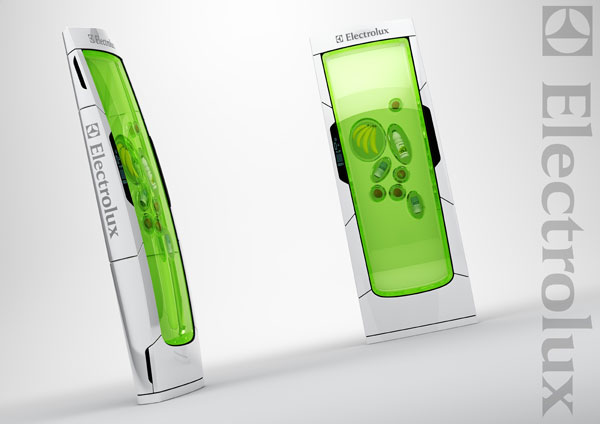
Bio Robot Refrigerator
The runner-up and people’s choice in the competition was Yuriy Dmitriev, CSU, Russia, with the bio robot refrigerator. Four times smaller than a conventional fridge, it cools biopolymer gel through luminescence. The non-sticky odourless gel morphs around products to create a separate pod that suspends items for easy access. Without doors, drawers and a motor, 90% of the appliance is devoted to its intended purpose. This new vision of refrigerator can be hung vertically, horizontally or even, should you desire, on the ceiling.
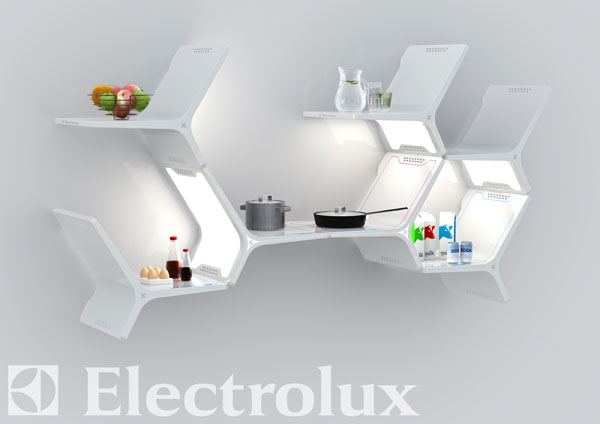
Elements Modular Kitchen
In third place was Matthew Gilbride from North Carolina State University in the US with the ‘Elements’ modular kitchen. The slick wall-mounted appliance provides flexible modes of cooking, refrigeration, air conditioning, lighting and environmental design while also optimising space. This clever piece of kit draws power wirelessly through technology applied to the wall, supplemented by solar energy as required.
Interestingly, the finalists were all male, a fact that didn’t escape the audience at 100% Design. Just accidental, we were assured!
By Caroline Allen


